



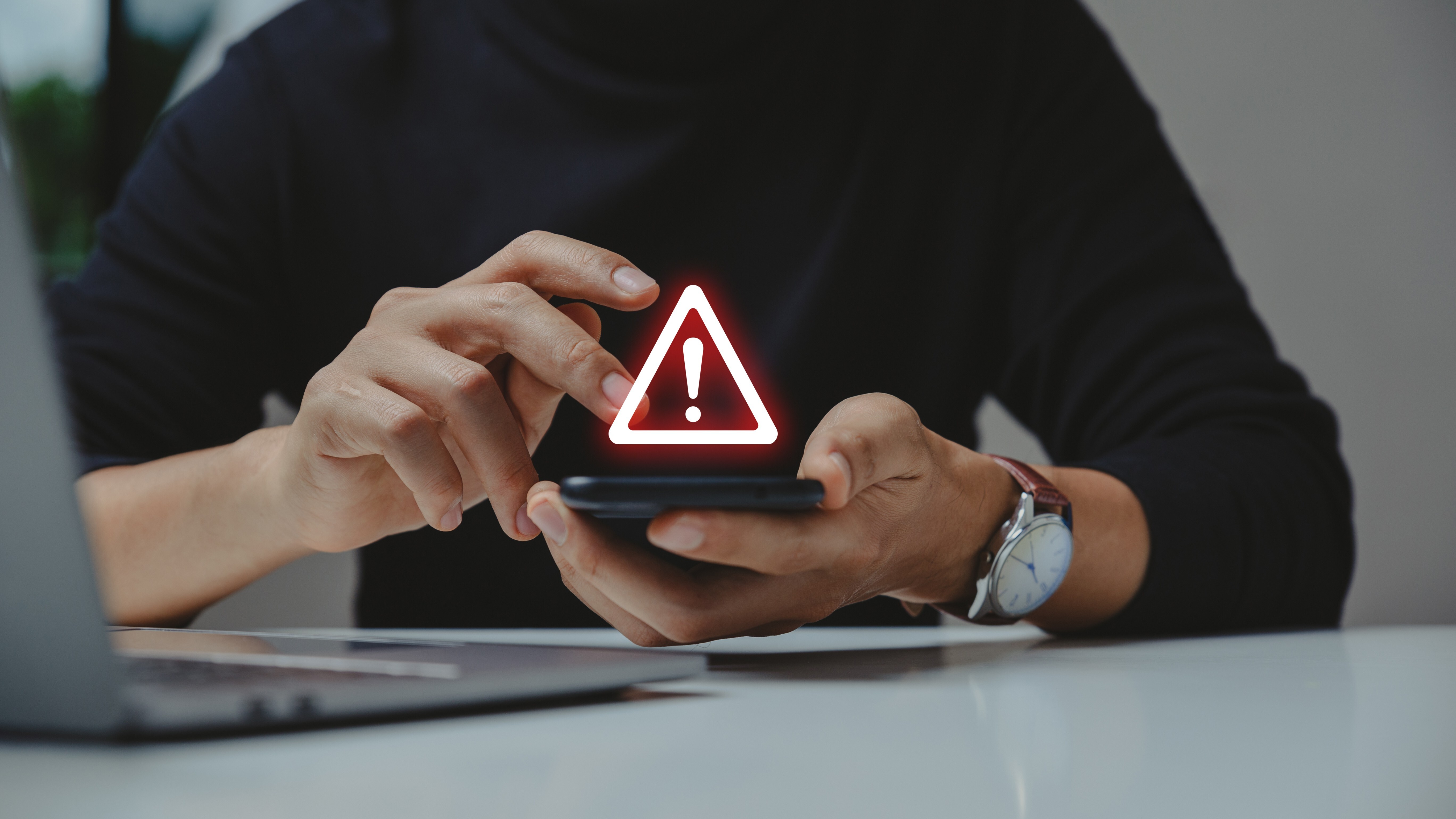

How To Reduce Human Cyber Risk
Empower your people to become your strongest line of defence.
The Human Factor in Cybersecurity
Employees remain a primary target for attackers, and even well-intentioned staff can make mistakes. Lack of awareness, inconsistent training, and evolving social-engineering tactics make reducing human-related risk an ongoing challenge.
Inconsistent Employee Awareness:
Security knowledge varies significantly across departments and roles.
Susceptibility to Social Engineering:
Lack of Reinforced Training:
How We Can Help
We empower employees to become a strong line of defence against cyber threats. Our approach combines awareness training, simulated phishing campaigns, and ongoing guidance with technical controls such as access management and policy enforcement.
By strengthening human behaviour alongside technical safeguards, we reduce the likelihood of errors or exploitation, turning employees from potential vulnerabilities into proactive protectors of your organisation.

FAQs
-
Why is human risk such a major threat?Because attackers often find it easier to trick people than break through technical controls. A single mistaken click or mismanaged password can open the door to a breach.
-
Can you help us develop security policies employees will actually follow?Yes. We create clear, practical, and realistic policies that fit your organisation, making them easy for staff to understand and adopt.
-
How do we encourage employees to care about cybersecurity?Through tailored awareness initiatives, leadership engagement, and ongoing guidance, we help build a culture where security becomes part of everyday behaviour.
-
Does reducing human risk require ongoing effort?
Absolutely. Human risk management is continuous, behaviours must be reinforced over time to stay effective as threats evolve.